
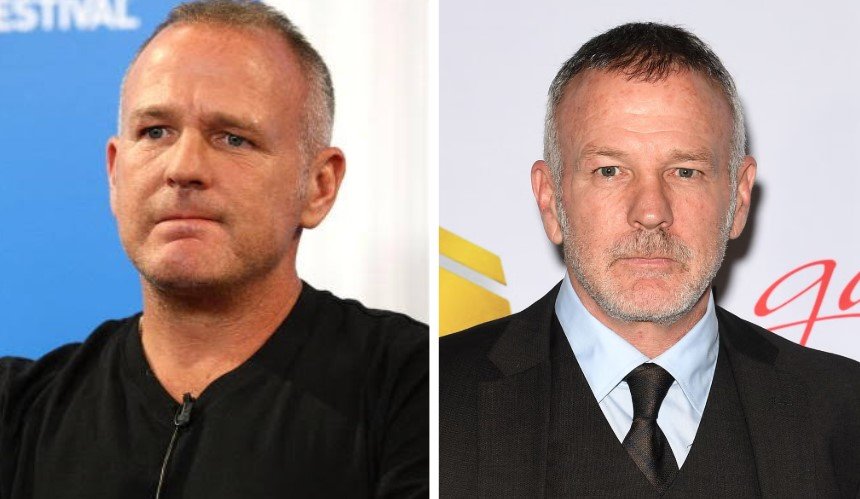
Brian Goodman is an American film director, television performer, and screenwriter whose career reflects a remarkable path from difficult beginnings to work in Hollywood. Born in Boston, Massachusetts, he built his reputation through crime dramas, character-driven films, and appearances in popular television series. His experience as an actor gave him a practical understanding of performance, which later informed his work behind the camera. Goodman gained particular recognition for directing and co-writing What Doesn’t Kill You, a crime drama rooted in the realities of South Boston. He later directed films including Black Butterfly and Last Seen Alive, demonstrating his interest in suspense and emotionally intense storytelling. His career also includes memorable television roles in Rizzoli & Isles, Lost, and Line of Fire. Brian Goodman’s story stands out because it combines personal perseverance with a long-standing commitment to filmmaking and acting.
Quick Bio
| Detail | Information |
|---|---|
| Full Name | Brian Goodman |
| Known For | What Doesn’t Kill You, Black Butterfly, Last Seen Alive |
| Profession | Film director, television director, writer, and actor |
| Date of Birth | June 1, 1963 |
| Age | 63 years old as of October 2026 |
| Birthplace | Boston, Massachusetts, United States |
| Nationality | American |
| Genre Specialties | Crime drama, thriller, suspense |
| Directorial Debut | What Doesn’t Kill You (2008) |
| Television Credits | Rizzoli & Isles, Lost, Line of Fire, Chance |
| Marital Status | Publicly available details are limited |
| Children | Some biographical records mention children; comprehensive current details are not reliably documented in authoritative public sources |
| Education | Formal educational background is not reliably documented in authoritative public sources |
| Current Public Status | Active screen professional, with credits extending into recent years |
Who Is Brian Goodman?
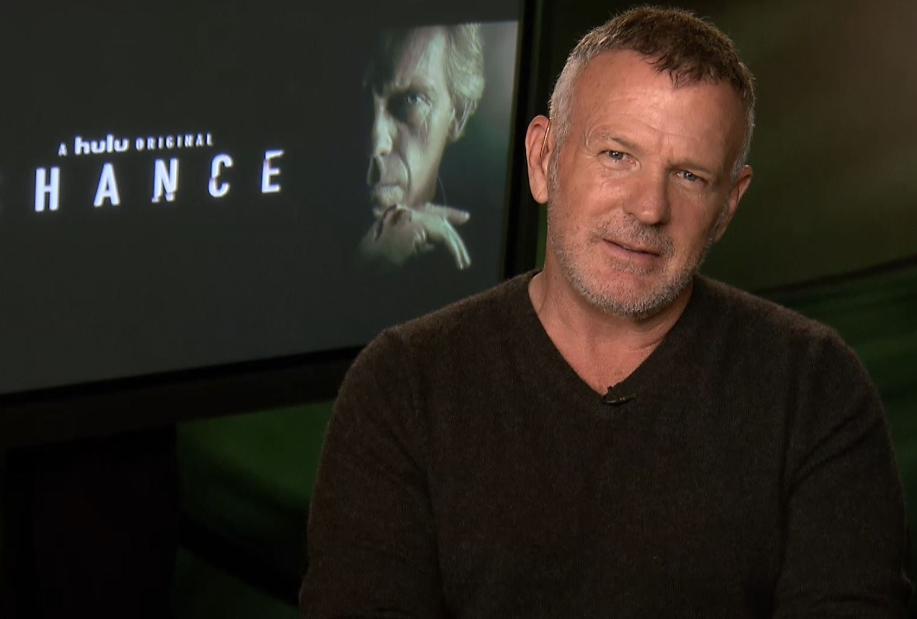
Brian Goodman is an American filmmaker and actor whose professional journey includes work in independent cinema, studio films, and television dramas. He has developed a career across several roles, but directing What Doesn’t Kill You represents one of the clearest examples of how his personal experiences and creative ambitions intersect.
Unlike filmmakers who begin their careers through film school or established industry connections, Goodman followed a less conventional path. His early life in South Boston presented significant challenges, and he spent several years rebuilding his life before pursuing acting professionally. His story has become an important part of the background to his work, particularly his interest in crime stories and characters confronting difficult circumstances.
Goodman has also appeared in productions directed by prominent filmmakers, including Steven Spielberg, while building a substantial list of television credits. His combination of acting and directing experience gives his career a distinctive place within American film and television.
Brian Goodman’s Early Life in South Boston
Brian Goodman was born on June 1, 1963, in Boston, Massachusetts. He grew up in South Boston, a community whose working-class identity and neighborhood relationships would later provide important context for his filmmaking.
His early years were difficult. A professional biography published by Yari Film Group describes him experiencing homelessness at a young age and spending time in prison between 1989 and 1994. Those experiences interrupted the conventional path toward an entertainment career, but Goodman continued to hold onto his ambition to become an actor.
He later recalled developing an interest in acting as a child after watching the television film Brian’s Song. That early inspiration remained important even when his circumstances made a career in entertainment appear distant.
Goodman’s background is particularly relevant to understanding his later directorial work. Rather than approaching crime and personal struggle exclusively as fictional subjects, he brought experiences of hardship and rebuilding into stories about people navigating difficult environments.
The Difficult Road From Prison to Acting
Goodman’s entry into professional acting came after his release from prison and his return to everyday life. A casting opportunity for Southie, a Boston-set crime drama starring Donnie Wahlberg, helped him secure one of his first film roles.
He subsequently auditioned for projects filming in Massachusetts, including Monument Ave. and In Dreams. These opportunities gave him an initial foothold in the industry without requiring him to relocate immediately.
After completing his parole requirements, Goodman moved to Los Angeles in 1998 to pursue acting more seriously. The transition brought him closer to the center of the American entertainment industry and opened the door to additional film opportunities.
His early career demonstrates how a single casting opportunity can lead to a wider professional network. He gradually moved from smaller roles toward productions with established directors and major actors, gaining experience that would eventually support his work as a filmmaker.
How Brian Goodman Built His Acting Career
Goodman established himself through a mixture of crime dramas, thrillers, action films, and character-driven stories. His screen presence suited roles involving authority figures, law enforcement, military personnel, and people connected to criminal environments.
One of his early notable appearances came in The Last Castle (2001), a prison drama starring Robert Redford. Goodman played Beaupre, a role that drew on his ability to portray a character within a tightly controlled institutional setting.
He also appeared in Blow (2001), Scenes of the Crime (2001), and Catch Me If You Can (2002). In the latter film, directed by Steven Spielberg, he played a motel owner in a story about a young con artist pursued by federal authorities.
These roles helped him accumulate practical experience on professional film sets. Working alongside established performers and directors also exposed him to different approaches to pacing, characterization, and scene construction.
Goodman later appeared in Munich (2005), Annapolis (2006), and The Fast and the Furious: Tokyo Drift (2006). Although the films differed in subject and style, they expanded his range as a screen actor.
Who Is Steven Spielberg?

Steven Spielberg is an American film director, producer, and screenwriter whose work has helped shape modern popular cinema. His films include Jaws, E.T. the Extra-Terrestrial, Jurassic Park, Schindler’s List, and Saving Private Ryan.
Spielberg is known for combining accessible storytelling with technical ambition, memorable characters, and large-scale cinematic sequences. His career spans adventure, science fiction, historical drama, and suspense, making him one of the most influential directors in Hollywood.
Goodman’s connection to Spielberg came through Catch Me If You Can (2002). Goodman initially auditioned for a more substantial role in the film, but Spielberg later arranged for him to appear as a motel clerk in a scene with Tom Hanks. The experience gave Goodman an opportunity to work on a major production with one of the industry’s leading directors.
That professional connection forms one part of Goodman’s acting history, but his own directing work remains central to understanding his career.
What Doesn’t Kill You: Brian Goodman’s Defining Film
What Doesn’t Kill You, released in 2008, marked a major step in Goodman’s development as a filmmaker. He directed and co-wrote the crime drama with Donnie Wahlberg, who also starred in the film alongside Mark Ruffalo and Ethan Hawke.
The story follows two longtime friends in South Boston whose involvement in crime threatens their relationships and their attempts to build more stable lives. Its focus on neighborhood loyalties, personal responsibility, and the consequences of criminal activity gives it a grounded emotional quality.
The film draws on elements of Goodman’s own experiences, although it remains a work of dramatic storytelling rather than a literal account of every event in his life. Its central themes include the difficulty of escaping destructive patterns and the challenge of making different choices after years of instability.
For Goodman, directing the film meant taking greater responsibility for the entire story. Acting requires a performer to interpret a character within a production, whereas directing involves shaping performances, tone, pacing, and the overall narrative. His work on What Doesn’t Kill You demonstrated his ability to move between those responsibilities.
The film also established a foundation for his later work in suspense and crime-related storytelling.
Brian Goodman’s Professional Connection With Donnie Wahlberg
Donnie Wahlberg played an important role in Goodman’s transition to directing through their collaboration on What Doesn’t Kill You. Wahlberg starred in the film and co-wrote the screenplay with Goodman, bringing their shared project to the screen as a character-focused crime drama.
Their connection also reaches back to Southie, one of Goodman’s early acting opportunities. That continuity makes their professional association especially notable: a production connected to the beginning of Goodman’s career preceded a later collaboration in which he took a leading creative role.
The film’s South Boston setting gave the project a specific cultural background rather than a generic crime-movie environment. Its characters navigate familiar streets, long-standing relationships, and personal histories that shape their decisions.
Wahlberg’s involvement helped bring the story to a wider audience, while Goodman’s directing drew on his understanding of the world the film portrayed.
Moving Behind the Camera With Black Butterfly
After What Doesn’t Kill You, Goodman continued developing his directing career. One of his later projects was Black Butterfly (2017), a psychological thriller starring Antonio Banderas, Jonathan Rhys Meyers, and Piper Perabo.
The film centers on a struggling writer who becomes involved with a mysterious stranger. Their relationship develops into a tense psychological story built around suspicion, deception, and unexpected turns.
Unlike the neighborhood crime drama of his earlier feature, Black Butterfly places greater emphasis on atmosphere and psychological uncertainty. The change in setting and genre demonstrates Goodman’s willingness to explore different ways of creating suspense.
He also appeared in the film, continuing the combination of acting and directing that characterizes his career. Working in front of the camera while overseeing the production allowed him to remain involved in performance as well as the film’s broader creative direction.
Although the film received a mixed response from critics, it represents an important stage in Goodman’s continued work as a director.
Last Seen Alive and His Work in Thriller Cinema
Goodman directed Last Seen Alive (2022), an action thriller starring Gerard Butler and Jaimie Alexander. The story follows a man searching for his missing wife after she disappears during a stop at a gas station.
The premise gives the film a clear objective: the central character must uncover what happened while facing uncertainty and growing danger. Its structure relies on suspense, urgency, and the gradual discovery of information.
The project also placed Goodman in a production with a recognizable leading actor and a commercially accessible thriller premise. Compared with the more autobiographical atmosphere of What Doesn’t Kill You, Last Seen Alive focuses on a tightly defined mystery and a determined search.
The film illustrates another dimension of his directing career. Goodman has moved between stories grounded in recognizable social environments and more conventional suspense narratives, adapting his approach to the demands of each project.
Brian Goodman’s Television Career
Although his film work has attracted attention, television has been an equally significant part of Goodman’s professional life. He has appeared in numerous series, often playing detectives, police officers, military personnel, and other characters connected to crime or authority.
One of his most substantial television roles was Lieutenant Sean Cavanaugh in Rizzoli & Isles. He appeared throughout multiple seasons of the crime procedural, which follows a Boston homicide detective and a medical examiner as they investigate cases.
Goodman also played Donovan Stubbin in Line of Fire, a crime drama that explored the relationship between law enforcement and organized crime. His performance in the series strengthened his association with stories involving investigations and morally complicated characters.
His other television credits include appearances in 24, Lost, The Closer, Revenge, Sons of Anarchy, and Aquarius. These projects allowed him to work across different formats, from short guest appearances to recurring roles.
Television also offered Goodman a steady opportunity to develop characters over multiple episodes. That experience complements his film career, where a director must communicate a character’s motivations and changes within a more limited running time.
Working With Established Actors and Filmmakers
Goodman’s career has brought him into productions featuring performers such as Robert Redford, Tom Hanks, Leonardo DiCaprio, Gerard Butler, and Mark Ruffalo. These collaborations reflect the variety of projects he has worked on over several decades.
However, the significance of his career does not rest solely on the prominence of his co-stars. His experience in smaller independent productions, recurring television roles, and directing projects has allowed him to build a professional identity across different areas of entertainment.
His work also illustrates the value of understanding film production from multiple perspectives. As an actor, he must respond to a director’s vision and develop believable performances. As a director, he must coordinate those performances with the visual and narrative requirements of the story.
That combination has remained a consistent feature of his professional life.
Brian Goodman’s Family and Personal Life
Goodman has generally kept his private life separate from his public work. A biographical profile published by Yari Film Group identified him as a father to two sons, Mark and Brian, at the time of publication. That historical information does not establish their current ages or circumstances.
His early experiences are documented in professional biographical material, but details about his current relationships, day-to-day family life, and personal activities are more limited. It is important not to treat the absence of public information as evidence of any particular private circumstance.
His background is relevant to his career because it helps explain the perspective he brought to What Doesn’t Kill You. Nevertheless, his work should also be judged on its own creative terms, rather than reducing his entire identity to the difficulties he experienced before entering Hollywood.
Brian Goodman’s Net Worth and Financial Life
Brian Goodman’s exact current net worth is not reliably established through authoritative public financial records. Online estimates may circulate, but without verified disclosures, they should not be presented as confirmed figures.
His professional work spans acting roles, directing assignments, and screenwriting. These activities can generate income through different arrangements, including performance fees and directing or writing compensation, depending on each production’s contracts.
However, a list of film and television credits does not reveal a person’s complete financial position. Earnings, expenses, taxes, investments, and other private financial details all affect net worth.
The most accurate assessment is that Goodman has maintained a long career in the entertainment industry, while his precise personal wealth remains publicly unverified.
Where Is Brian Goodman Now?
Goodman’s filmography includes projects released in recent years, and his acting credits continue beyond his earlier directing successes. His work has included appearances in I Know This Much Is True, Fatal Attraction, and the television drama Task, reflecting his ongoing connection to screen acting.
His career has not followed a single-track path. Instead, he has moved between directing feature films and accepting acting roles in television and cinema, allowing him to work in several parts of the entertainment industry.
Publicly available professional credits provide a clearer picture of his work than of his private routine or future plans. Without a confirmed announcement, it would be inappropriate to claim that a particular upcoming film or television project is underway.
What remains clear is that Goodman has built a career through a combination of persistence, performance experience, and opportunities to tell stories from behind the camera.
Conclusion
Brian Goodman has developed a distinctive career as an American film director, television writer, and actor. His path from a difficult early life in South Boston to professional work in Hollywood gives his story an unusual personal dimension.
What Doesn’t Kill You remains a particularly important project because it connects his directing ambitions with the setting and experiences that shaped his perspective. His later films, including Black Butterfly and Last Seen Alive, demonstrate his ability to work in different forms of suspense and thriller storytelling.
His television appearances have further expanded his professional reach, giving him opportunities to portray a wide range of characters. Rather than being defined by a single role or film, Goodman stands out for his ability to move between acting and directing while maintaining a long-standing place in American screen entertainment.
FAQs
Who is Brian Goodman?
Brian Goodman is an American film director, television performer, screenwriter, and actor born in Boston, Massachusetts. He is known for directing What Doesn’t Kill You, Black Butterfly, and Last Seen Alive, as well as appearing in numerous television dramas.
How old is Brian Goodman?
Brian Goodman was born on June 1, 1963. He is 63 years old as of October 2026.
What movies has Brian Goodman directed?
His feature directing credits include What Doesn’t Kill You (2008), Black Butterfly (2017), and Last Seen Alive (2022). These films span crime drama, psychological thriller, and action thriller genres.
Is Brian Goodman also an actor?
Yes. Goodman has appeared in films such as The Last Castle, Catch Me If You Can, Munich, and The Fast and the Furious: Tokyo Drift. He has also held television roles in Rizzoli & Isles, Line of Fire, and Lost.
What is Brian Goodman’s connection to Donnie Wahlberg?
Goodman and Donnie Wahlberg collaborated on What Doesn’t Kill You, with Goodman directing and co-writing the film and Wahlberg starring in it. They were also connected through Southie, an earlier film that provided Goodman with an early acting opportunity.
Is Brian Goodman married, and does he have children?
Reliable, current public information about Goodman’s marital status is limited. A historical professional biography identified him as the father of two sons, but it does not provide a comprehensive account of his family life today.
What is Brian Goodman’s net worth?
Brian Goodman’s exact net worth is not confirmed by authoritative public financial disclosures. Any specific figure published without reliable documentation should be treated as an estimate rather than an established fact.
Explore More In-Depth Profiles: Visit Individual Magazine for stories on Hollywood families, art icons, and cultural figures.

Leave a Reply